Your floral,
traced clean for print.
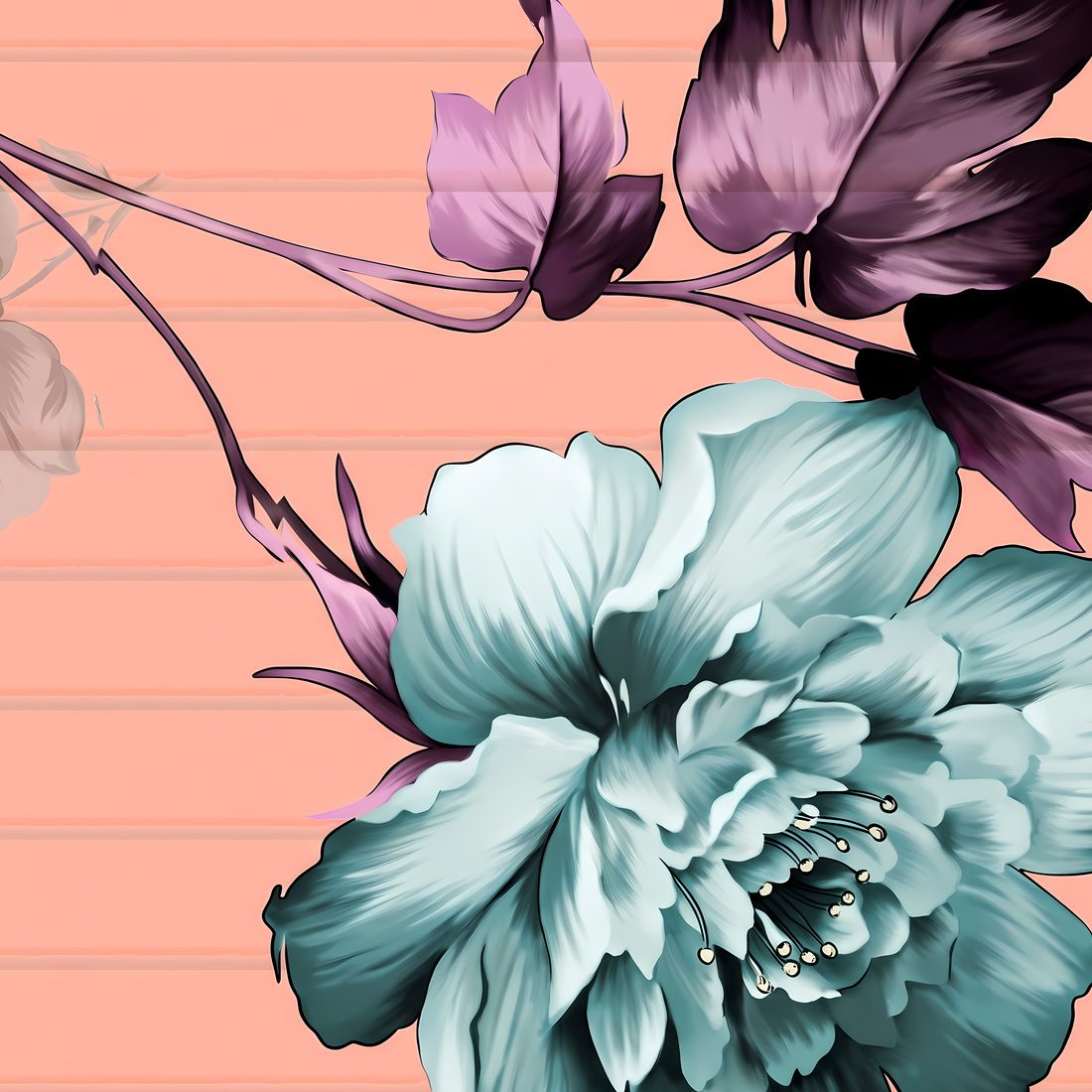
Send a scan, however rough. DesignRoom traces it again at print resolution — the same composition, the same colours, clean enough to separate and put on a screen. You get the file the same day.
- A 4K motif
- Rs 1,000
- Drawn in house
- Rs 3,330
- Turnaround
- Same day
Five jobs, start to finish
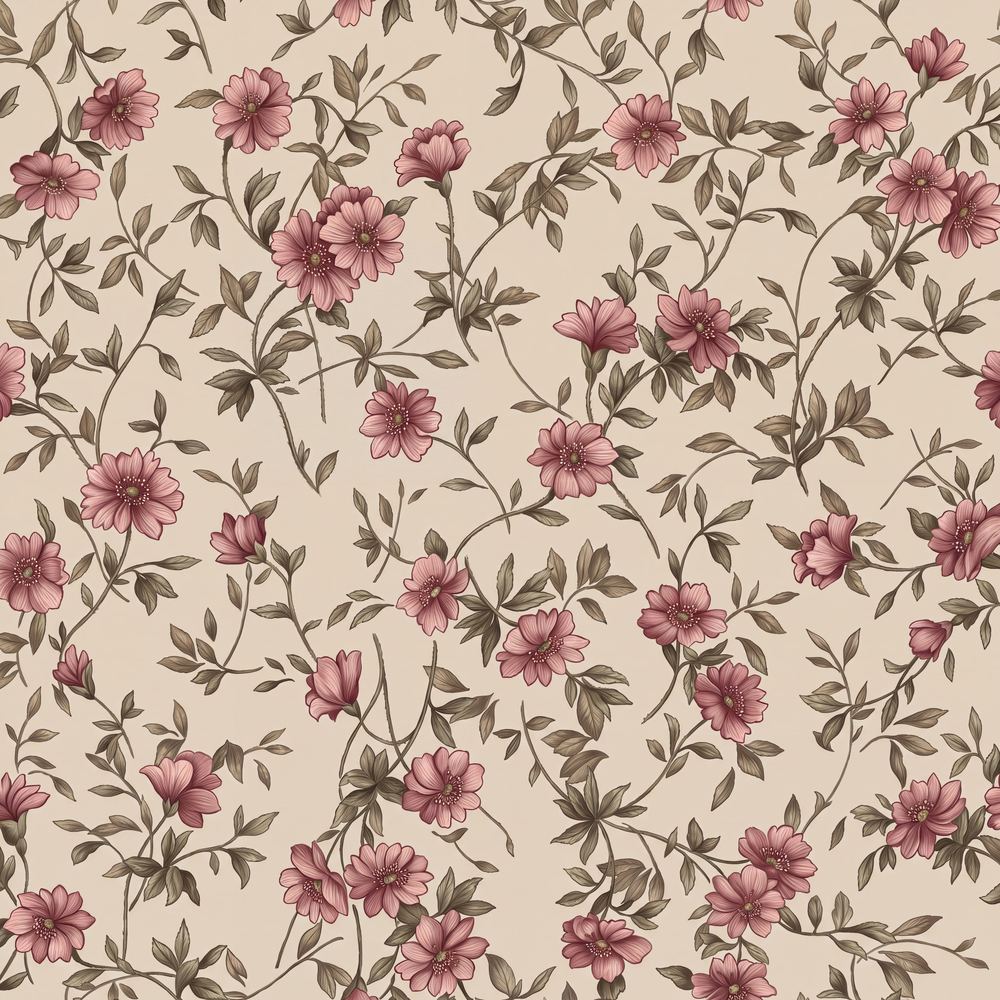
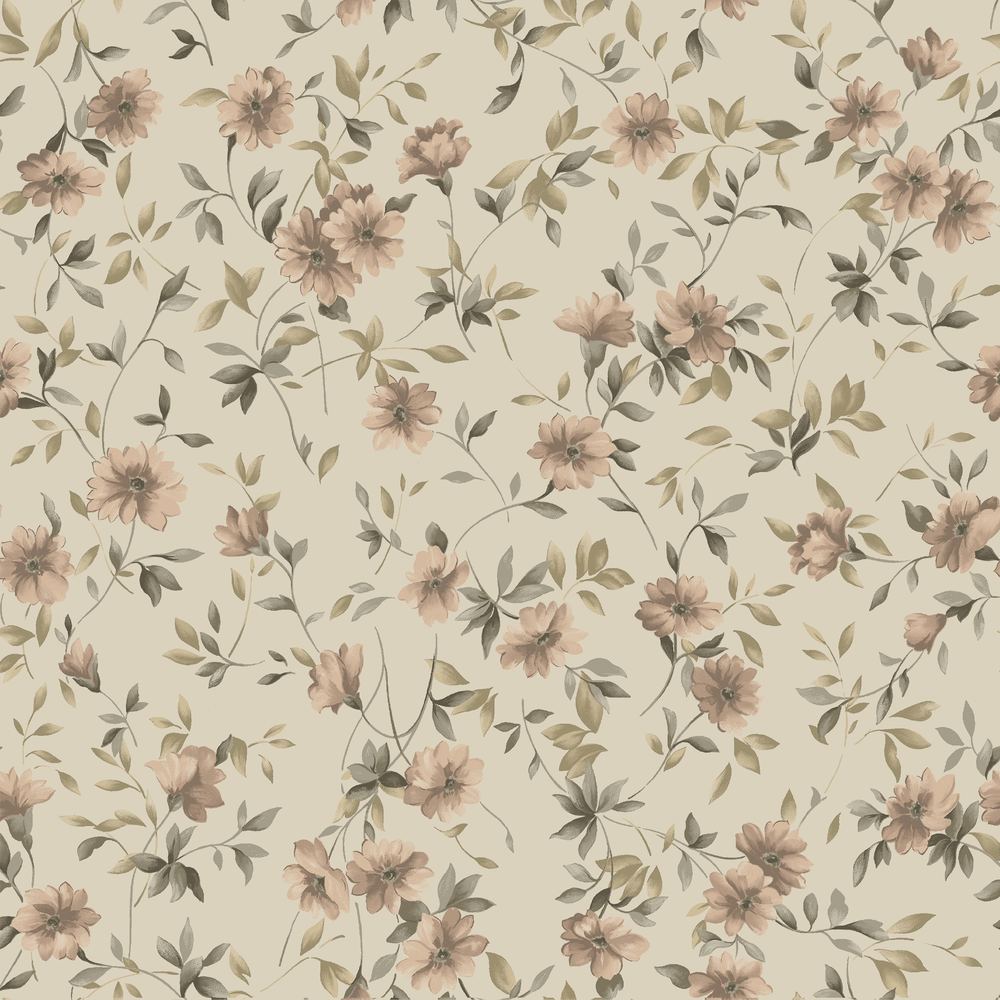
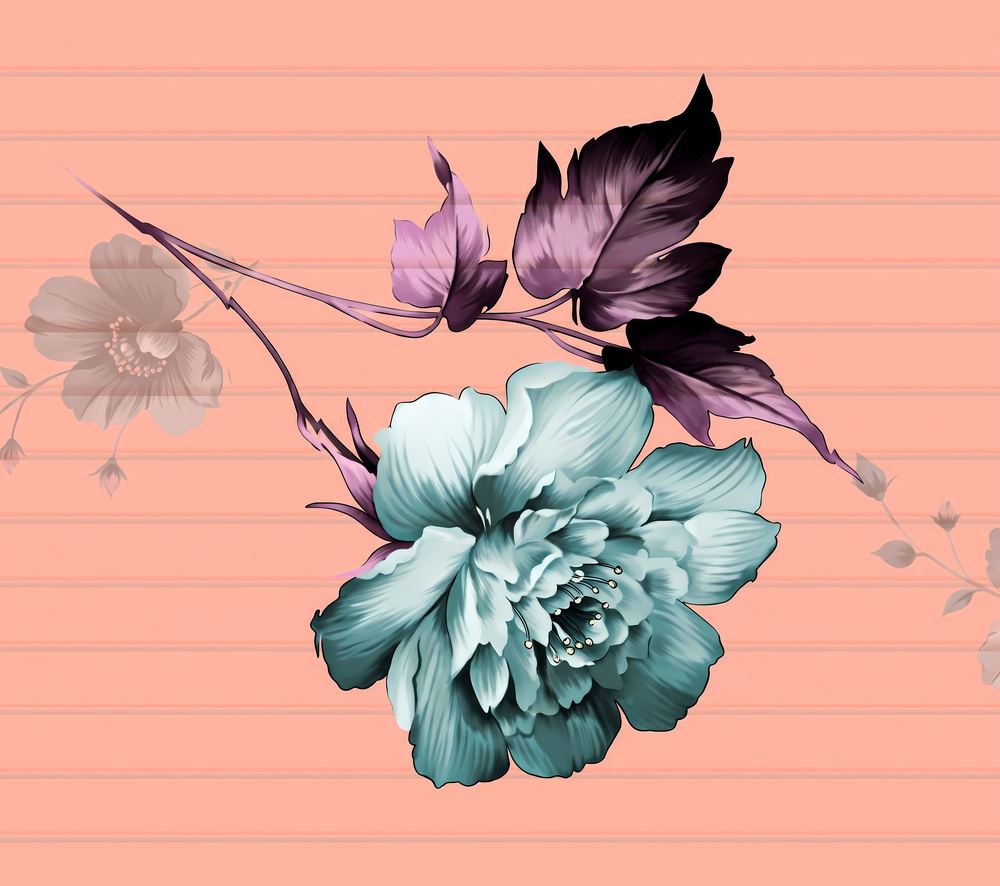
Real work from our own studios, nothing staged. Drag any one of them. Each one is the whole sheet, uncropped — not a detail chosen to flatter the result.
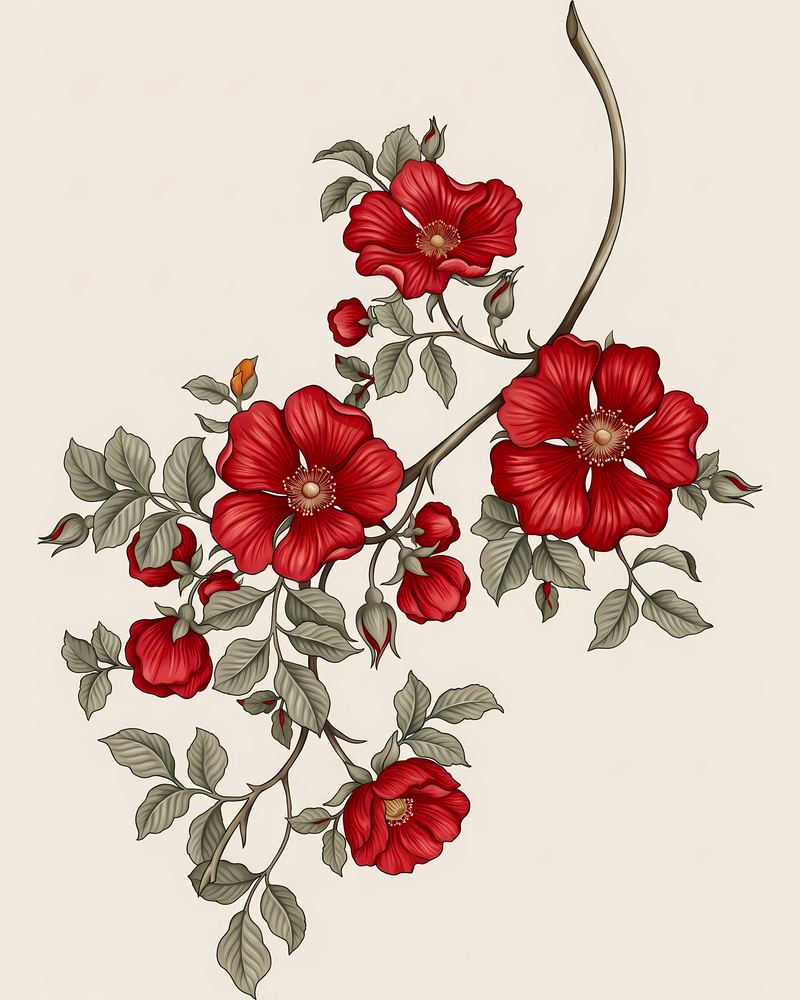
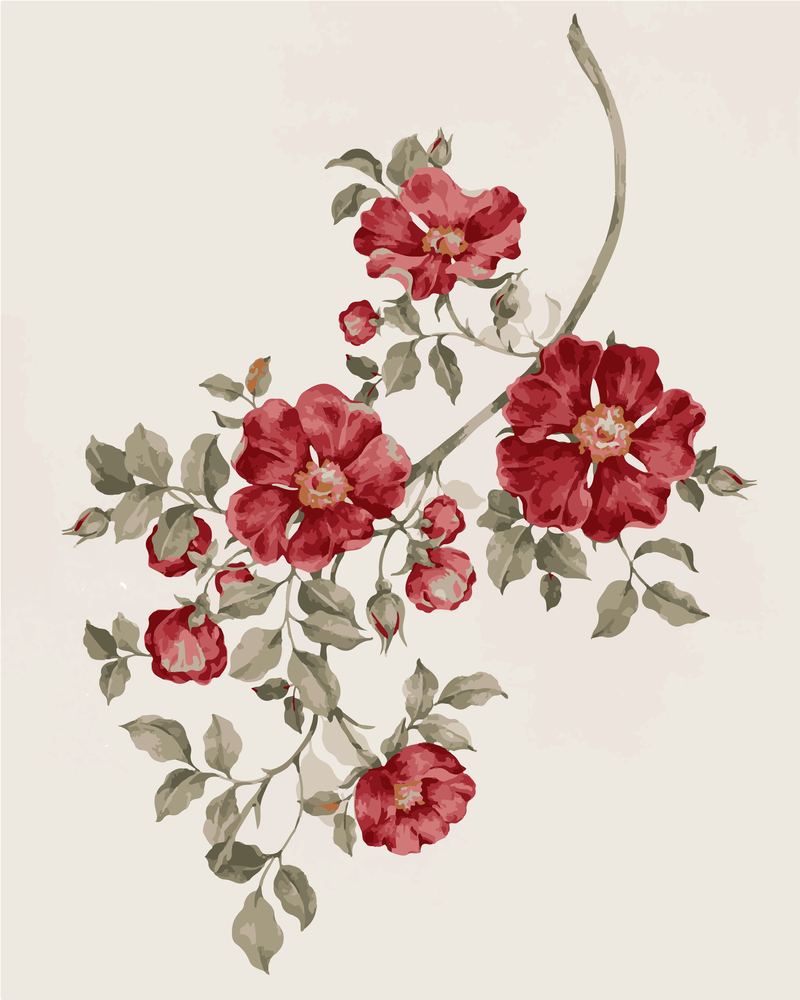
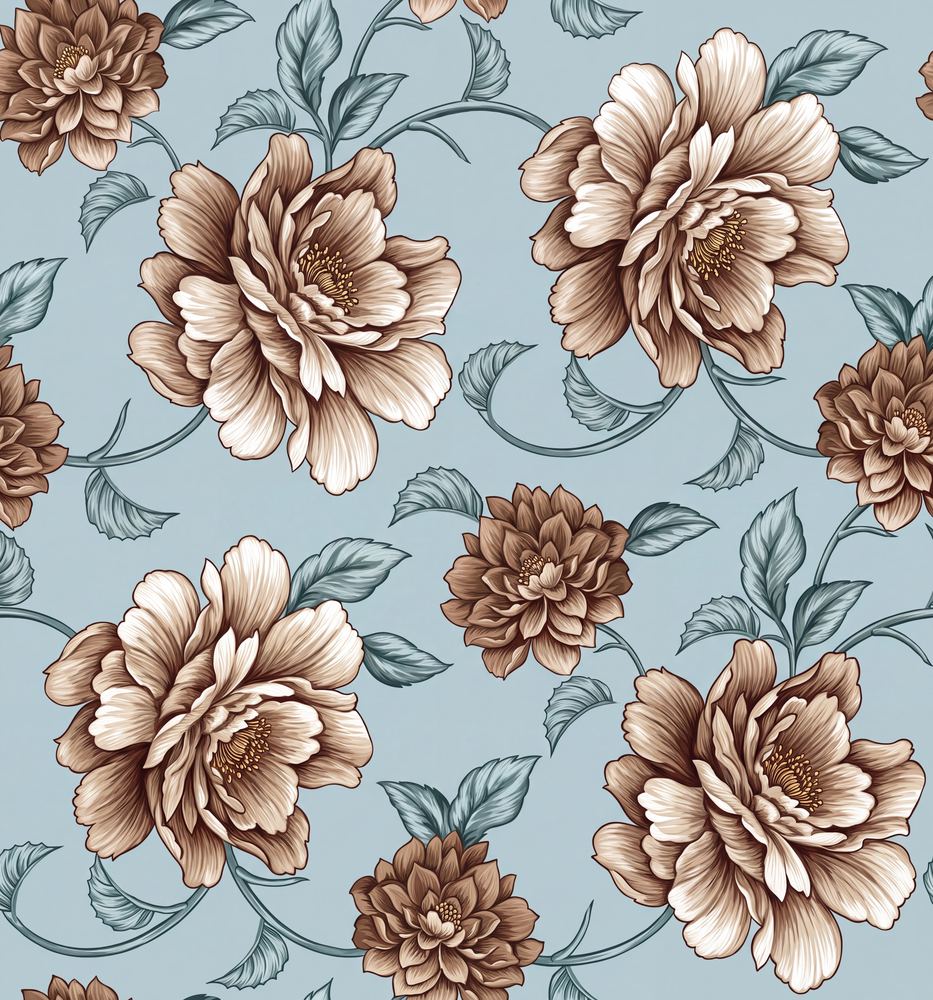
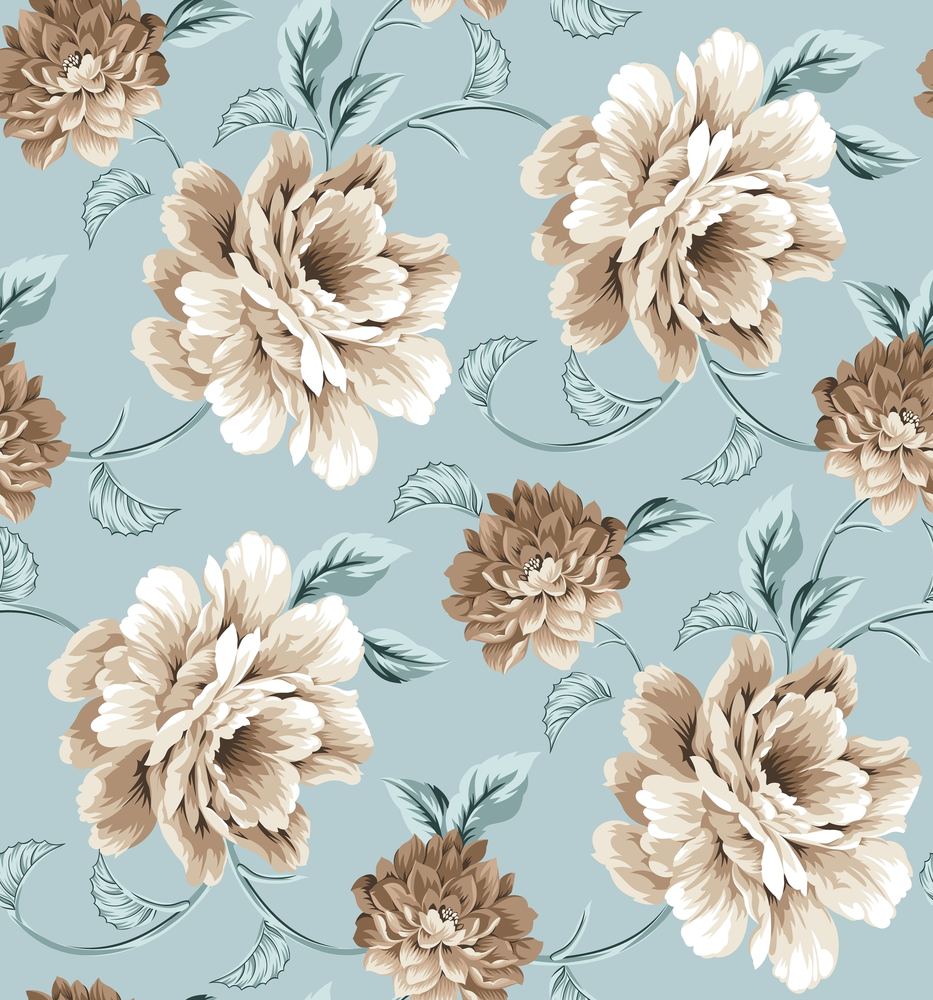
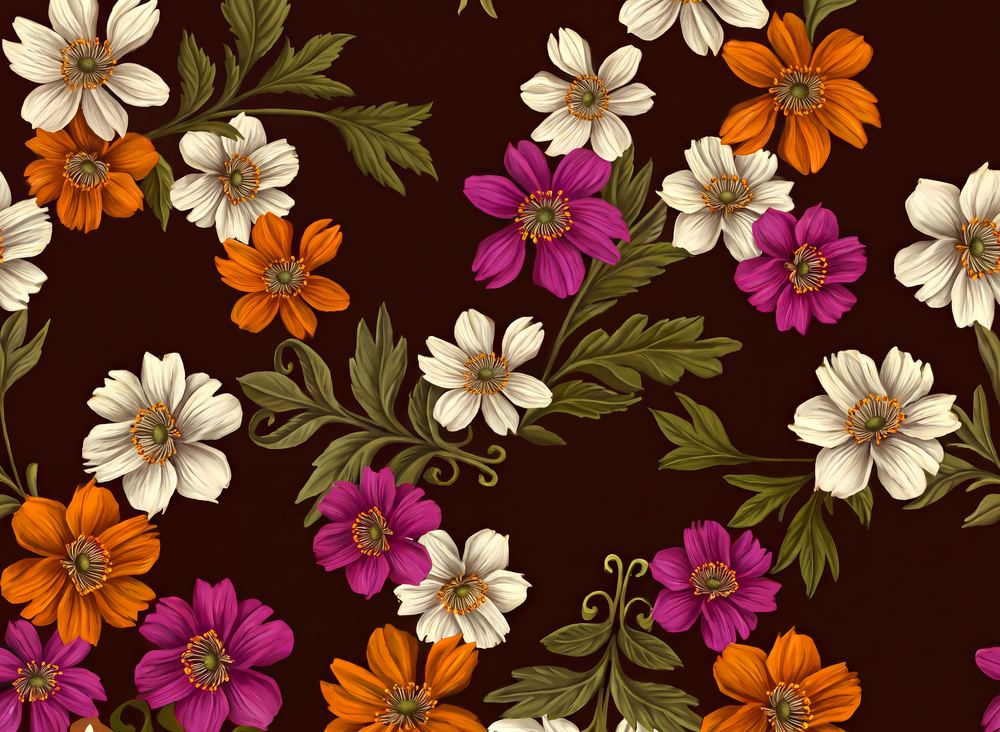
Try it on one of your own.
Upload a scan you already know well. You will spot in ten seconds whether it is worth your money.
Open DesignRoomWhat it draws
Motif
One flower or a bunch, traced on its own. Petals get real edges and shading, the stamens come back, and the ground behind is cleared. Use it for a placement print, a neckline or a panel.
All over
The whole sheet traced in one pass, so the scatter and the spacing stay where the designer put them. Ask it to keep the repeat joining and the edges will still meet when you tile it.
Flat graphic
For ikat, cross-stitch and geometrics. Flat shapes, hard edges, no shading and no shadow — the drawing stays graphic instead of being turned into a painted flower. A single flat motif is priced as a motif; a flat all over is priced as an all over, repeat included.
Upscale
Enlarge a file you already have, four times over. It runs on your own machine in the browser, so nothing leaves the studio and it costs one credit however large the file is.
- Two looks: vibrant or natural
- 2048 px or 4096 px
- Keep the repeat joining
- Colour separations, as many screens as you set (beta)
The arithmetic
A 4K motif costs two credits — Rs 1,000 on the entry plan. A 4K all over is print-ready, so it costs three, Rs 1,500, with the repeat joined. Drawing the same floral in house — we measured it on our own benches — costs Rs 3,330 in artist time and takes days rather than minutes.
Your plan's credits are added each month once it is paid, and what you do not spend stays on your account. Run short in a busy month and buy more in tens — 10, 20, 30 — at the rate your plan already charges, never a higher one.
| Job | Size | Credits |
|---|---|---|
| Motif | 2048 px · 6.8 in | 1 |
| Motif | 4096 px · 13.7 in | 2 |
| All over, repeat joined | 2048 px · 6.8 in | 2 |
| All over, repeat joined | 4096 px · 13.7 in | 3 |
| Flat graphic | as a motif or an all over | 1–3 |
| Enlarge it afterwards | once per design | +1 |
Plans
Three monthly plans. The only thing that changes is how many credits you get and what each one costs.
Basic
Rs 15,000
a month
- Motifs at 4K
- 15
- or all overs at 4K
- 10
- One credit
- Rs 500
Pro
Most studios
Rs 36,000
a month
- Motifs at 4K
- 40
- or all overs at 4K
- 26
- One credit
- Rs 450
Max
Rs 80,000
a month
- Motifs at 4K
- 100
- or all overs at 4K
- 66
- One credit
- Rs 400
Credits you do not use stay on your account. Need more than your plan holds? Buy them in tens at your own plan's rate — Rs 500, Rs 450 or Rs 400 — never at a higher one. Not right? Send it for review: if the drawing does not match your artwork, the credits go back.
Free trial — 3 credits
Once per studio, on your own artwork.
Bring the worst scan you have.
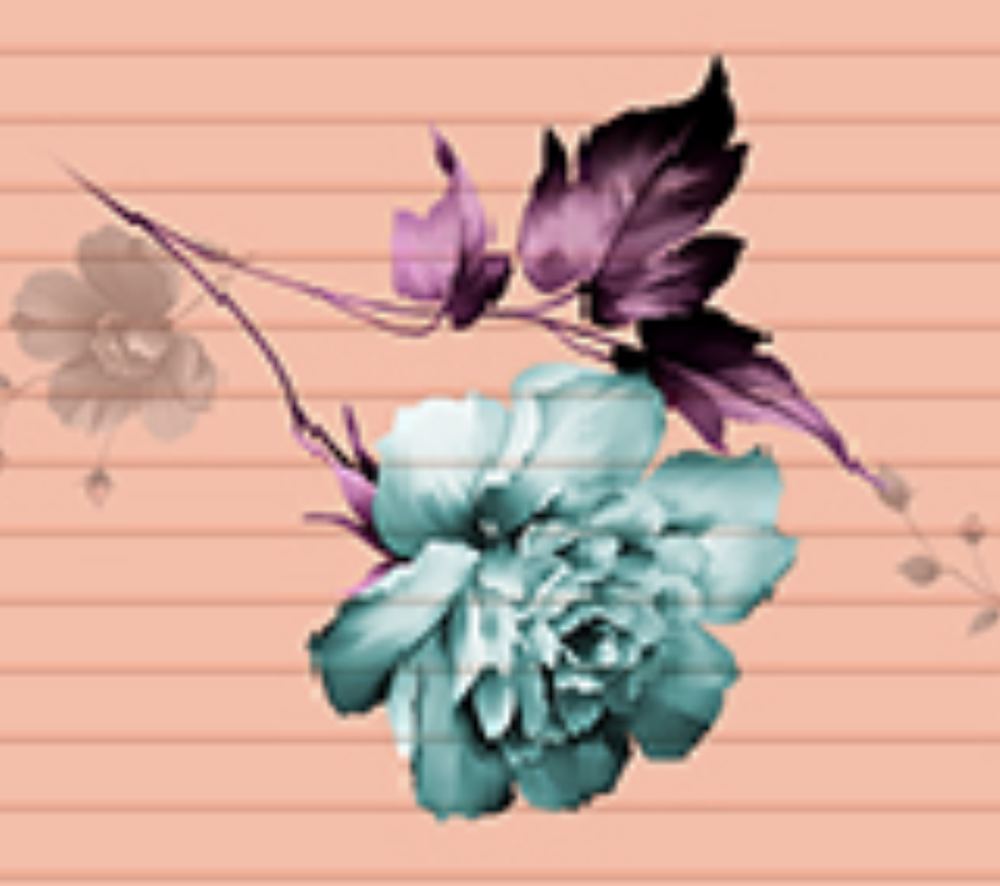
That is the one that tells you whether this is useful. The flowers above started as a 306-pixel scrap, a faded sample and a scan with the scanner's own lines across it.